

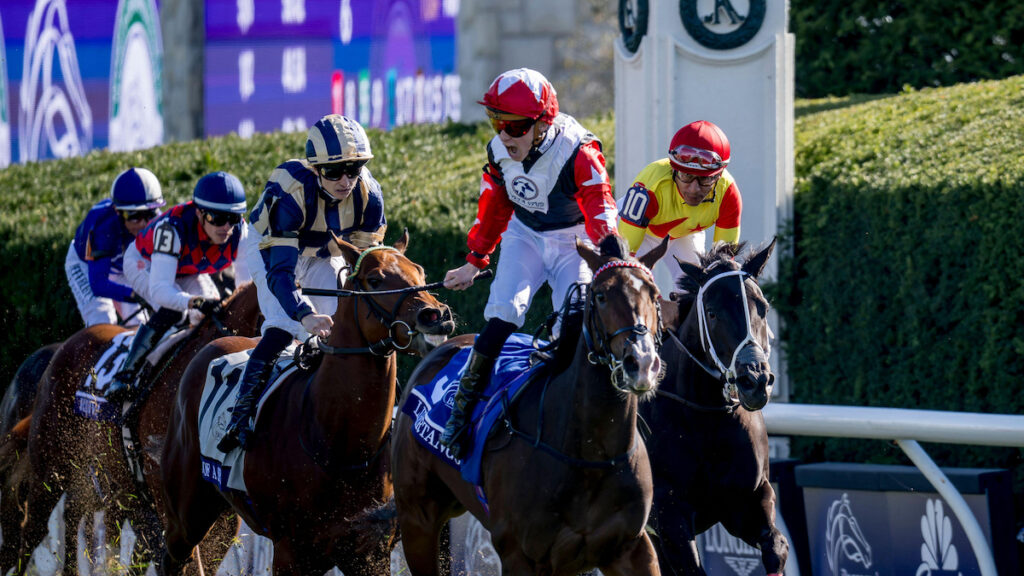
A jockey in Britain earns £173.54 for every ride on the Flat and £235.90 for every ride over jumps in 2026, plus a share of the prize money when the horse wins or places. Jockeys are self-employed, so there is no salary, and agents, valets, travel and tax all come out of that income.
The riding fee
The Racehorse Owners Association and the Professional Jockeys Association (PJA) agree the fee each year, and every jockey is paid the same rate. The 2026 fees rose 3.5% on 1 January, from £167.67 on the Flat and £227.92 over jumps in 2025.
If a horse is withdrawn after its jockey has been declared, the jockey still receives half the fee: £86.77 on the Flat and £117.95 over jumps. Fees and prize money are paid into the jockey’s Weatherbys account.
The prize money share
According to the PJA, the winning jockey receives about 7% of the winner’s prize money on the Flat and about 9% over jumps. A placed jockey gets about 2.61% (Flat) or 3.44% (jumps) of the place prize. The exact split varies by race, and Great British Racing quotes slightly higher win figures, so treat these as a guide.
What one winner is worth
As an illustration, take a Flat race worth £10,000 to the winner. At about 7%, the winning jockey gets roughly £700 from the prize plus the £173.54 riding fee, so about £874 before deductions. The same £10,000 prize over jumps is worth about £900 plus £235.90, or roughly £1,136.
Most rides don’t win. On an unplaced ride, the riding fee is all the jockey earns.
What comes out of it
- Agent: often around 10% of earnings, agreed individually between jockey and agent.
- Valet: fixed fees taken from the riding fee for preparing kit and saddles on the day.
- Travel: the busiest jockeys cover around 70,000 miles a year, according to Great British Racing.
- Running costs: kit, physio and income tax.
Injury cover is one cost jockeys don’t carry: owners fund the Professional Riders Insurance Scheme through a surcharge on the riding fee.
Apprentices and conditionals
Apprentices, the young Flat jockeys who claim a weight allowance, don’t keep everything. While claiming 7lb or 5lb they keep 80% of the riding fee and 80% of their prize money share. At 3lb they keep 80% of the fee and 90% of the prize money. Conditional jockeys, the jumps equivalent, keep 100% of both from their first ride. These splits have applied since 15 July 2020, per the PJA, and both groups still pay their own expenses.
Retainers and the top end
The best-paid jockeys add a retainer, a fee from an owner or trainer for first call on their services. In November 2026 Godolphin appointed Billy Loughnane as a retained rider alongside William Buick, weeks after the 20-year-old was crowned British Flat champion. Retainer fees are private and aren’t published.
Headline prize money totals mislead too: when a champion’s mounts win millions, the bulk goes to the owners, not the jockey.